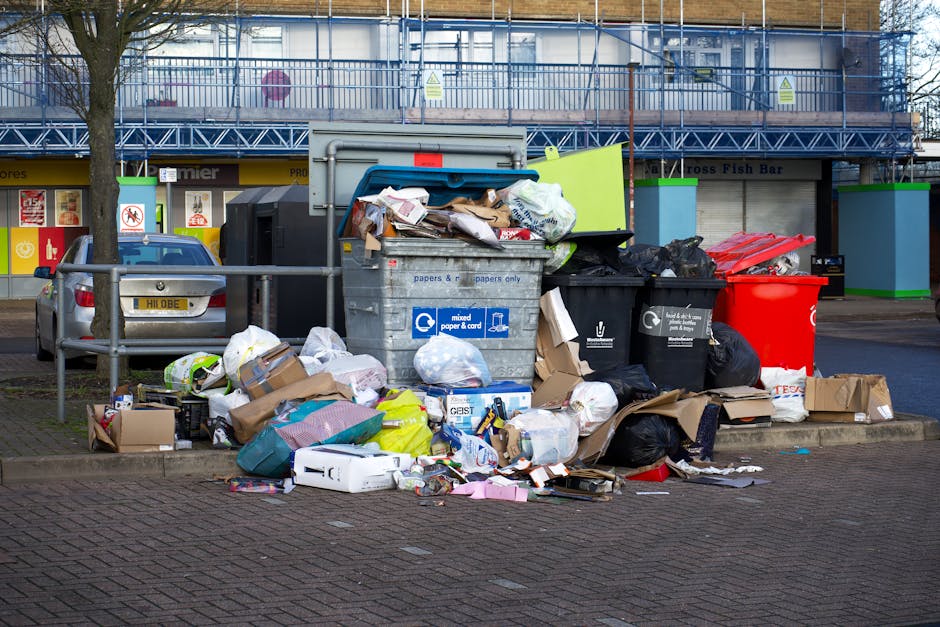
Golders Green Bulky Rubbish Collection Tips Northwest London
If you are dealing with a worn-out sofa, a broken wardrobe, a pile of bagged-up clutter from the spare room, or the kind of "we'll sort it later" mess that somehow grows in the hallway, you are not alone. Golders Green bulky rubbish collection tips Northwest London matter because bulky items are awkward, time-consuming, and often more stressful than they first look. The good news? With a bit of planning, you can make the whole job calmer, safer, and much more affordable than leaving it to chance.
In this guide, we'll walk through how bulky rubbish collection works in Golders Green and across Northwest London, what to do before collection day, what mistakes to avoid, and how to choose the most sensible approach for your home, flat, garden, garage, office, or business premises. It's practical, local, and built for real-world situations - not theory.
Quick takeaway: the best bulky waste removal jobs start before the vehicle arrives. Sort items properly, separate reusable goods, measure access, protect shared spaces, and book the right type of collection for the amount and type of waste you have.
Why Golders Green bulky rubbish collection tips Northwest London Matters
Bulky rubbish is not like a normal bin bag. It is heavy, irregular, often awkward to carry, and sometimes too valuable to be treated like plain waste. A mattress, sofa, dining table, chest of drawers, broken appliance, or mixed-load clearance can create issues that ordinary rubbish collection simply does not solve. That is especially true in Golders Green and nearby parts of Northwest London, where homes, flats, shared driveways, side returns, and parking pressure can make access tight.
Good bulky rubbish collection tips save time, yes, but they also reduce avoidable headaches. They help you avoid scratched walls, damaged floors, blocked hallways, and the classic "we forgot about the lift" problem. To be fair, those little details are often what decide whether a job feels smooth or like a mini renovation disaster.
There is also the question of disposal routes. Some bulky items can be reused, some can be broken down, and some need specialist handling depending on their contents or condition. If you treat everything the same, you usually end up doing more work, not less. A little structure makes a big difference.
For larger clearances, it can help to think beyond one item. If you are clearing a room, garage, loft, or entire property, the task often overlaps with home clearance, house clearance, or even flat clearance. That wider view is useful because a single bulky collection can easily become a mixed-load clearance once you start moving things around.
How Golders Green bulky rubbish collection tips Northwest London Works
At a practical level, bulky rubbish collection usually follows a simple pattern: you identify what needs removing, separate it into sensible groups, check access, and arrange the pickup or removal method that suits the load. Sounds straightforward. In reality, the details matter more than people expect.
First, decide whether the items are truly rubbish. If a wardrobe, sofa, or table is still usable, it may be better suited to reuse or donation routes. If it is damaged, stained, unsafe, or no longer worth moving, disposal is the right call. That distinction matters because it affects how you prepare the load and how quickly it can be cleared.
Second, think about the type of bulky waste. Furniture is different from builders' offcuts, garden debris, office furniture, or mixed junk from a garage. For example, if you're clearing a cupboard after a bathroom refit, you may be dealing with builders waste as well as old fixtures. If you are replacing chairs, desks, or filing cabinets, office clearance may be the better fit than a one-item pickup.
Third, consider access. In Golders Green and surrounding neighbourhoods, access can mean stairs, narrow passages, top-floor flats, controlled entry doors, or parking that is not exactly generous. A bulky collection can be done well only if the access plan is realistic. It's one of those things people only notice once they've tried to drag a three-seater sofa through a hallway that was clearly not designed with sofas in mind.
Finally, the waste has to be handled properly once it leaves the property. That usually means separate treatment for reusable items, recyclable materials, and general waste. Good disposal practice is part of the service, not an afterthought. If you are handling mixed rubbish from a house, garage, or shed, a broader waste clearance or rubbish removal approach may be more efficient than booking several small jobs.
Key Benefits and Practical Advantages
There are a few clear reasons why people in Golders Green choose organised bulky rubbish collection rather than trying to do everything themselves.
- Less strain on your back and time: bulky items are heavy, unwieldy, and often need two people, sometimes three.
- Better use of space: once large items go, rooms feel bigger immediately. You notice it the same evening, usually.
- Cleaner shared areas: in flats and converted buildings, removing bulky waste carefully prevents friction with neighbours.
- More suitable disposal: different items can be sorted into reuse, recycling, or disposal routes.
- Fewer delays: when the load is planned properly, the collection itself is much faster.
- Reduced risk of damage: proper handling protects doors, stairwells, carpets, and lifts.
There is also a decision-making benefit. Once you see the volume of what needs to go, it becomes easier to decide whether you only need one-off collection or a broader service. For instance, if the job includes a wardrobe, sofa, broken shelving, and a pile of garage clutter, the best fit might be a more complete garage clearance or a combined furniture and household clearance rather than multiple separate bookings.
Expert summary: the best bulky rubbish collections are planned around access, item type, and load size. The more clearly you define the job before collection day, the smoother and cheaper the process usually becomes.
Who This Is For and When It Makes Sense
This topic is relevant to a lot more people than you might think. A bulky rubbish collection becomes sensible whenever the item is too large for standard waste disposal, too awkward to carry safely, or too numerous to handle in a single trip to a tip or reuse centre.
Typical situations include:
- replacing old furniture after a move
- clearing a flat after tenants leave
- sorting out a garage that has turned into a storage cave
- disposing of an old sofa, mattress, bed frame, or wardrobe
- clearing garden waste, broken pots, or outdoor furniture
- removing office desks, chairs, or shelving
- dealing with mixed household clutter after years of "just put it there for now"
For landlords and letting agents, bulk collections are often about turnaround speed and presentation. For families, it might be about making a room usable again. For businesses, it can be about keeping the premises tidy and operational. In some cases, you'll want a service that sits alongside business waste handling rather than a home-focused clearance.
And then there are the one-off life moments - moving in with a partner, finishing a refurbishment, downsizing, or helping a parent clear a room that has quietly filled up over the years. Those jobs can be surprisingly emotional. A sensible plan helps more than people expect.
Step-by-Step Guidance
If you want a straightforward way to tackle bulky rubbish collection in Golders Green, use this process. It keeps the job orderly and makes it much easier to explain the task to a collection provider if needed.
- Walk through the property. Make a list of every bulky item and anything that might be mixed in with it.
- Sort by category. Separate furniture, appliances, garden waste, builders waste, and general clutter.
- Set aside reusable items. If something can still be passed on, keep it out of the disposal pile.
- Measure access points. Check door widths, stair turns, lift size, and parking access if relevant.
- Clear the route. Move small objects, rugs, or fragile items out of the path.
- Break down what you safely can. Remove drawers, cushions, detachable legs, or loose panels if that helps.
- Take photos if useful. This helps you keep track of what is being removed and prevents forgotten items.
- Choose the right service. A sofa-only job is different from a whole-room or whole-property clearance.
- Place items in a sensible spot. If possible, keep them near the exit without blocking walkways.
- Do a final sweep. Check cupboards, under beds, loft corners, and behind doors before the team arrives.
If your load includes mixed materials, think ahead about sorting. For example, a garden table, old fence panels, and cut branches may sit better under garden clearance, while a cracked sofa or armchair may be more suitable for sofa removal or furniture disposal. That small decision can shave off a surprising amount of hassle.
Expert Tips for Better Results
Here's where the little gains live. These are the sorts of details that experienced teams think about automatically, but plenty of homeowners only learn after a difficult collection or two.
1. Photograph the load before you move anything
A quick set of photos helps you understand the volume and spot any hazardous or awkward pieces early. It also helps if you're comparing options and want to avoid underestimating the work involved.
2. Keep a clear "first out" zone
If collection day is tight, create a small staging area near the entrance. This stops items being moved three times. Honestly, moving a bookcase from bedroom to landing to hallway to pavement is nobody's favourite way to spend a morning.
3. Separate soft furnishings from hard waste
Soft furnishings take up space quickly, especially bulky items like sofas, mattresses, and armchairs. Hard items such as tables, drawers, and shelving stack differently. Keep them apart if you can. It makes loading more efficient and usually tidier.
4. Be realistic about "one more item"
That extra broken desk, spare fridge shelf, or old laundry basket may feel insignificant, but it often changes the job more than expected. Small additions add up. If you know there are more items on the horizon, include them from the start.
5. Think about the wider property
If you're only looking at one room, you might miss the true scale of the clutter. A loft, garage, and spare room can form one bigger project. In that case, a broader rubbish clearance or rubbish collection approach often makes more sense than item-by-item thinking.
6. Don't block shared spaces
In flats and maisonettes, keeping hallways, lobbies, and entrances clear is more than polite - it avoids friction and makes the job safer. A collection done with care tends to go unnoticed, which is exactly what you want.
Common Mistakes to Avoid
Most problems with bulky rubbish collection come from simple, avoidable missteps. The good news is that once you know them, they're easy to dodge.
- Underestimating how much you have: one sofa becomes two chairs, then a table, then boxes of clutter. Classic.
- Leaving everything for the last minute: rushed sorting leads to confusion and slower loading.
- Forgetting access restrictions: tight staircases, parking issues, or lift rules can derail a smooth plan.
- Mixing reusable items with waste: if you want anything kept back, separate it early.
- Assuming all bulky items are treated the same: they are not, especially when the load includes wood, metal, textiles, or electrical pieces.
- Ignoring shared neighbours or building rules: this can create avoidable delays and complaints.
- Leaving sharp or broken edges exposed: this is a safety issue, not just an inconvenience.
One of the biggest mistakes is trying to do a big clear-out without a plan. It feels efficient at first and then somehow turns into an all-day shuffle. If the job looks bigger than expected, step back and reassess before you start hauling things around.
Tools, Resources and Recommendations
You do not need a van full of equipment to prepare for bulky rubbish collection, but a few practical tools help a lot. The aim is to make the job safer, quicker, and less messy.
- Work gloves: useful for splinters, sharp edges, dust, and rough surfaces.
- Measuring tape: ideal for checking doorways, lifts, and tricky corners.
- Bin bags or boxes: helpful for sorting smaller loose items before the collection team arrives.
- Labels or marker pens: useful if you're separating items to keep, donate, or remove.
- Basic cleaning supplies: a quick vacuum or sweep after removing bulky items makes the room feel finished.
- Protective blankets or old sheets: useful when moving heavy furniture through tight spaces.
If your project has spread beyond one room, you may find it useful to think in terms of a broader service such as waste collection, waste removal, or rubbish removal. Those terms often overlap in real life, but the practical point is simple: choose the option that best matches the volume and mix of material.
If you are a landlord, property manager, or office manager, keep an eye on broader service pages too. A business unit with old desks and filing cabinets may be better served by office clearance, while a cluttered rental after a tenancy might require a mix of flat clearance and furniture disposal. Matching the service to the situation usually makes everything easier.
Law, Compliance, Standards, or Best Practice
For bulky rubbish, compliance is mostly about safe handling, responsible disposal, and using a reputable route for the waste. In the UK, waste should be managed carefully so it does not create environmental harm, fly-tipping risks, or safety problems for the people moving it.
In plain English, that means you should be careful about who handles the waste, what happens to it after collection, and whether any specialist items need extra attention. Electrical goods, sharp items, broken glass, or contaminated materials should not be treated casually. If something is damp, mouldy, or carries a smell, that is another sign to slow down and handle it properly.
Good practice also includes keeping routes clear, lifting in a way that avoids injury, and not placing items in communal areas longer than necessary. In blocks of flats or shared buildings, that matters even more. No one wants a hallway that turns into a temporary furniture depot.
There is also a simple ethical side to this. If an item can be reused, repaired, or passed on safely, that is often preferable to immediate disposal. If not, choose a disposal route that handles the material correctly. It is cleaner, safer, and frankly more respectable.
Options, Methods, or Comparison Table
If you are deciding how to deal with bulky rubbish in Golders Green, it helps to compare the main approaches side by side.
| Method | Best for | Pros | Limitations |
|---|---|---|---|
| Self-moving | One or two manageable items | Can be cheap if you already have transport | Heavy lifting, parking, timing, and disposal effort fall on you |
| Bulky item collection | Single large items or a small number of items | Convenient, quick, less physical effort | Not always ideal for mixed loads or very large clearances |
| Rubbish clearance service | Mixed household clutter and bulky waste together | Flexible, useful for awkward combinations of items | May be broader than you need for one item only |
| Room or property clearance | Full rooms, lofts, garages, flats, or houses | Efficient for larger jobs; easier when many items are involved | More involved than a simple collection |
In practice, the right choice usually depends on three things: volume, access, and how fast you need the space cleared. If the item count is low, a focused service may be enough. If the room is packed, a broader clearance route is usually the cleaner decision.
Case Study or Real-World Example
Imagine a typical Golders Green flat after a move-out. There is a sofa with worn fabric, a dining table with wobbly legs, a broken bookshelf, two boxes of mixed clutter from the airing cupboard, and an old desk that has been sitting in the spare room for years. Nothing dramatic. Just the sort of job that creeps up on people.
The first instinct is often to treat each item separately. But once you measure the hallway, check the stair turns, and realise the desk won't come out intact, the better approach becomes obvious: break down what can be safely dismantled, separate the reusable pieces, and book a removal method that covers the whole mixed load. That's much better than trying to tackle it in three separate trips.
In this kind of case, a combination of sofa removal, furniture disposal, and a wider rubbish clearance can be far more practical than using one narrow solution. The space gets cleared faster, the route is simpler, and the person paying for it is not left juggling half a job. Simple, but effective.
We've seen the same pattern in garages, too. One small pile of "temporary" items becomes a full garage clearance before anyone knows it. Once the bulk is out, the room finally feels like a room again. That moment is oddly satisfying, truth be told.
Practical Checklist
Use this checklist before collection day. It keeps the process tidy and reduces the chance of forgotten items or access problems.
- List every bulky item you want removed.
- Separate reusable items from waste.
- Check for any sharp, broken, or heavy pieces that need extra care.
- Measure doorways, stairs, and lift access if needed.
- Clear the path from the item to the exit.
- Remove loose parts such as cushions, drawers, shelves, or legs where sensible.
- Keep personal paperwork and valuables out of the clearance pile.
- Group items by type if possible: furniture, garden waste, office items, and general clutter.
- Make sure shared areas are not blocked.
- Do a final room check before the collection arrives.
If you are handling a larger cleanup, you might also add a second pass through storage spaces. A lot of people forget the cupboard above the boiler, the shed corner, or the bagged-up stuff in the hall. Those little pockets can hide more than you expect.
Get a free quote today and see how much you can save.
Conclusion
Golders Green bulky rubbish collection tips Northwest London come down to one simple idea: plan the job properly before anyone starts lifting. When you sort items early, check access, and choose the right type of collection for the load, you save time, reduce stress, and avoid the awkward surprises that make a clear-out feel much bigger than it is.
Whether you're clearing a flat, tidying a garage, replacing old furniture, or dealing with a mixed household load, the same principles apply. Be realistic, stay organised, and do not underestimate the value of good preparation. A little structure goes a long way.
And once the bulky stuff is finally gone, that extra space feels better than you expect. Cleaner air, clearer floors, a bit of breathing room. Nice, really.
Frequently Asked Questions
What counts as bulky rubbish in Golders Green?
Bulky rubbish usually means items that are too large, heavy, or awkward for regular bin collection. That often includes sofas, wardrobes, tables, mattresses, cabinets, and similar household or office items.
How do I prepare bulky items for collection?
Sort them by type, remove loose parts if safe, clear access routes, and keep reusable items separate from waste. If you can measure doorways or stair access in advance, even better.
Is bulky rubbish collection the same as rubbish removal?
Not always. Bulky rubbish collection is usually focused on larger individual items, while rubbish removal can cover a wider range of mixed waste and clutter. In practice, the services often overlap.
Can I mix furniture with general household waste?
Yes, in many cases, but it is usually best to group items sensibly so the load can be handled efficiently. Furniture disposal is easier to manage when the bulky pieces are identified clearly from the start.
What should I do with reusable bulky items?
If an item is still usable, keep it separate and consider whether it should be reused rather than thrown away. That simple decision can reduce waste and make the clearance more efficient.
Do I need to dismantle furniture before collection?
Only if it is safe and practical to do so. Removing cushions, drawers, or legs can help, but do not force a dismantling job that risks injury or damage. Sometimes leaving it intact is the better choice.
How much can fit into one bulky waste collection?
That depends on the service, the vehicle, the item size, and access conditions. A single sofa is very different from a full room of mixed items, so it is wise to describe the load clearly before booking.
What are the biggest mistakes people make?
The most common mistakes are underestimating the volume, forgetting access issues, leaving sorting until the last minute, and mixing items that should be treated separately. These small errors cause most of the delays.
Is bulky rubbish collection suitable for flats?
Yes, absolutely. Flat clearance and bulky collection often go hand in hand, especially in shared buildings with stairs, lifts, and limited hallway space. The key is planning the route properly.
How do I know whether I need a full clearance instead of one-off collection?
If the property has multiple rooms, mixed clutter, or more than a couple of large items, a broader clearance is often more sensible. House clearance, home clearance, or garage clearance can be better than trying to tackle everything as separate jobs.
What should I check before booking a bulky rubbish service?
Check the type of items, how many you have, access conditions, and whether anything needs special care. A good description of the load saves time and helps you avoid booking the wrong kind of service.
Can bulky items from an office or business be collected too?
Yes. Desks, chairs, cabinets, and mixed office clutter are common in business clearances. If the load comes from a workplace, it is often best to think in terms of office clearance or business waste handling rather than household rubbish alone.